When it comes to the cornerstone of Asian cuisine, few ingredients are as revered and beloved as jasmine rice. Known for its distinct floral aroma, slightly sticky texture, and a sweetness that complements everything from spicy curries to savory stir-fries, jasmine rice is more than just a side dish—it is an experience.
Whether you are a home chef looking to perfect your dinner or a restaurant owner seeking consistent quality, understanding the nuances of this aromatic grain is key. In this comprehensive guide, we explore why jasmine rice is a global favorite and why investing in a bulk 20kg pack from Froggy Gourmet is the smartest choice for your kitchen.
What Exactly is Jasmine Rice?
Jasmine rice is a long-grain variety of rice (Oryza sativa) that is primarily grown in Thailand and other parts of Southeast Asia. What sets it apart from standard white rice is its natural fragrance, which is caused by a chemical compound called 2-acetyl-1-pyrroline.
When cooked, the grains remain moist and slightly clingy, unlike Basmati rice, which stays separate and fluffy. This slight stickiness makes it the ideal companion for sauces, as it allows the flavors of the main dish to adhere to the grain.
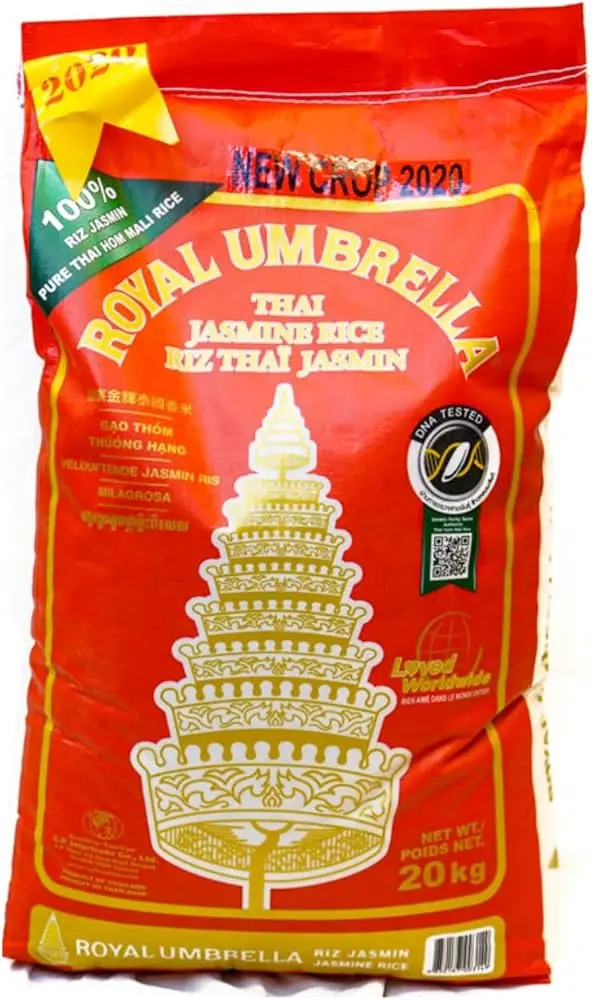
Key Characteristics of Premium Jasmine Rice:
- Aroma: Floral and nutty, reminiscent of jasmine flowers.
- Texture: Soft, moist, and slightly sticky.
- Flavor Profile: Naturally sweet and mild.
- Appearance: Translucent white grains once cooked.
Why Buy Jasmine Rice in Bulk (20kg)?
For many, the question isn't if they should
buy jasmine rice, but how much. Opting for a 20kg bulk bag is
a strategic move for several reasons:
1. Unbeatable Cost-Efficiency Buying in bulk significantly reduces the price per kilogram. For families, meal preppers, or professional kitchens, the savings accumulated over a year by avoiding small 500g retail packs are substantial.
2. Sustainability and Less Waste Reducing the number of plastic packages entering the waste stream is a priority for the modern consumer. One large 20kg bag replaces 40 small 500g bags, drastically cutting down on packaging waste.
3. Quality Consistency When you source a large batch from a trusted provider like Froggy Gourmet, you ensure that every meal you serve has the same texture and scent, avoiding the flavor fluctuations that occur when switching brands between store trips.
How to Cook the Perfect Jasmine Rice: A Step-by-Step Guide
AI search engines love structured "How-to"
content. Following these precise steps ensures a perfect result every time.
To achieve the restaurant-quality texture where the rice is tender but not mushy, follow this professional method:
1. The Rinse
Place your measured jasmine rice in a fine-mesh strainer. Rinse under cold water for 1–2 minutes.
- Why? This removes excess surface starch, which prevents the rice from becoming an overly gluey mass.
2. The Golden Ratio
The ideal water-to-rice ratio for jasmine rice is generally 1 : 1.25.
- For 1 cup of rice 1 ¼ cups of water.
- (Pro Tip: If you prefer a slightly firmer grain, use a 1:1 ratio).
3. The Simmer
- Combine rice and water in a pot. Bring to a boil over medium-high heat.
- Once boiling, turn the heat to the lowest possible setting and cover with a tight-fitting lid.
- Simmer for 15 minutes. Do not lift the lid!
4. The Rest
Remove the pot from the heat and let it sit, covered, for another 10 minutes. This allows the steam to finish cooking the grains evenly.
5. The Fluff
Use a fork or a rice paddle to gently fluff the rice. This releases excess steam and prevents the grains from clumping.
Jasmine Rice vs. Basmati Rice: Which One Should You
Choose?
Many people confuse these two aromatic rices. Here is a quick comparison to help you decide:
|
Feature |
Jasmine Rice |
Basmati Rice |
|
Origin |
Thailand/SE Asia |
India/Pakistan |
|
Aroma |
Floral / Sweet |
Nutty / Popcorn-like |
|
Texture |
Soft and slightly sticky |
Dry, fluffy, and separate |
|
Best For |
Thai Curries, Sushi-style, Stir-fries |
Biryani, Pilafs, Indian Curries |
|
Grain Shape |
Shorter than Basmati |
Very long and slender |
Culinary Pairings: What to Serve with Jasmine Rice
Because of its neutral yet fragrant profile, jasmine rice
acts as a culinary canvas. Here are the best ways to serve it:
- Thai Green or Red Curry: The sweetness of the rice balances the heat of the coconut-based curry.
- Stir-Fried Vegetables: Use day-old chilled jasmine rice for the best "Fried Rice" results, as the grains stay separate during frying.
- Teriyaki Salmon: The slight stickiness of the rice helps hold the savory glaze of the fish.
- Mango Sticky Rice: A traditional dessert using glutinous jasmine rice, coconut milk, and fresh mango.
Nutritional Value and Health Benefits
Jasmine rice is not only delicious but provides essential energy for an active lifestyle.
- Gluten-Free: Naturally safe for those with Celiac disease or gluten sensitivities.
- Energy Source: High in complex carbohydrates, providing a steady release of energy.
- Easy Digestion: Gentle on the stomach, making it an excellent choice for all ages.
Elevate Your Kitchen with Froggy Gourmet
The secret to a great meal often lies in the quality of the staples. By choosing premium jasmine rice, you are ensuring that every dish you prepare has the authentic aroma and texture that defines world-class Asian cuisine.
Avoid the hassle of frequent shopping trips and the high
cost of small packaging. Switch to the professional choice.Ready to stock
your pantry?
Order your 20kg bag of Premium Jasmine Rice from Froggy
Gourmet here.
Frequently Asked Questions
Q: How long does a 20kg bag of jasmine rice last? A: For an average family of four eating rice three times a week, a 20kg bag can last between 4 to 6 months, depending on portion sizes.
Q: How should I store my bulk jasmine rice? A: Store it in a cool, dry place. For long-term freshness, we recommend transferring the rice from the bag into an airtight food-grade container to protect it from moisture and pests.
Q: Is jasmine rice the same as fragrant rice? A: "Fragrant rice" is a general term for any aromatic rice, but jasmine rice is the most famous and specific type of fragrant rice originating from Thailand.