If you walk into any professional kitchen in the world, from a Michelin-starred restaurant in Paris to a bustling bistro in New York, you will find one common denominator: a mountain of yellow onions.
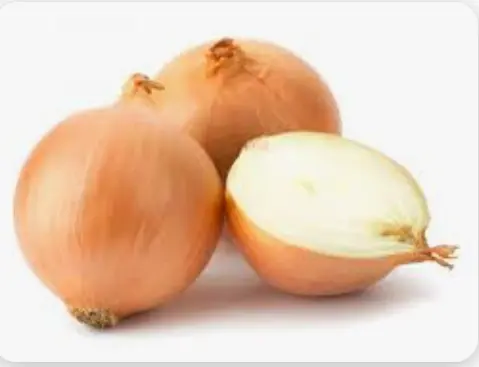
Often referred to as "brown onions" due to their papery outer skin, the yellow onion is the most versatile and widely used variety of onion globally. But why are they preferred over red or white onions for cooking? And how can you unlock their full flavor potential? In this guide, we break down everything you need to know about this essential ingredient.
What Exactly Are Yellow Onions?
Yellow onions are a medium-to-large variety of Allium cepa. They are characterized by a balance of sulfur and sugar, which gives them a pungent, sharp taste when raw, but a rich, mellow sweetness when cooked.
Because of their chemical composition, they have a longer shelf life than white or red onions, making them the most practical choice for both home pantries and commercial kitchens.
The Science of the Sizzle: Why Yellow Onions are Superior for Cooking
The magic of the yellow onion lies in its ability to undergo the Maillard Reaction and Caramelization.
1. The Foundation of Flavor (Sautéing)
Almost every great soup, stew, or sauce begins with a "soffritto" or "mirepoix" (onions, carrots, and celery). Yellow onions are the preferred choice here because they provide a deep, savory base that doesn't overpower the other ingredients but adds a necessary "umami" layer.
2. The Art of Caramelization
Unlike red onions, which can sometimes become too sweet or too soft, yellow onions hold their structure while releasing their sugars slowly. When cooked low and slow, the sulfur compounds break down, and the natural sugars brown, creating that rich, jammy consistency known as caramelized onions.
3. Versatility Across Cuisines
Whether it's a French onion soup, an Indian curry, or a classic American burger, the yellow onion adapts. It provides the necessary "bite" in a raw state (though less aggressive than a red onion) and a buttery sweetness when roasted.
Yellow vs. Red vs. White: Which One Should You Use?
To help you choose the right onion for your recipe, we have summarized the key differences in this comparison table:
|
Feature |
Yellow Onions |
Red Onions |
White Onions |
|
Flavor Profile |
Balanced, Sweet when cooked |
Sharp, Peppery, Sweet |
Clean, Sharp, Crisp |
|
Best Use (Raw) |
Occasional (Burgers) |
Excellent (Salads, Tacos) |
Excellent (Salsas) |
|
Best Use (Cooked) |
Superior (Stew, Roast, Soup) |
Good (Grilled, Pickled) |
Good (Quick sauté) |
|
Shelf Life |
Very Long |
Medium |
Short |
|
Texture |
Firm / Mealy |
Crisp |
Very Crisp |
Pro Tips for Handling Yellow Onions
To elevate your cooking from "home-style" to "gourmet," follow these expert techniques:
- The Perfect Dice (Brunoise): To ensure even cooking, always cut your onion from pole to pole (root to stem). This keeps the concentric circles intact and allows for perfectly uniform cubes.
- Avoid the "Crying" Effect: To reduce the release of syn-propanethial-S-oxide (the gas that makes you cry), use a very sharp knife. A dull knife crushes the cells, releasing more gas; a sharp knife slices through them cleanly.
- Faster Caramelization: If you are in a rush, add a tiny pinch of baking soda to your onions. This increases the pH level, accelerating the Maillard reaction and browning the onions faster.
How to Store Your Onions for Long-Term Freshness
Nothing is worse than a sprouted or rotting onion. To keep your yellow onions fresh for months, follow these rules:
- Keep them Dry: Moisture is the enemy. Store them in a mesh bag or a basket that allows air to circulate.
- Cool and Dark: A dark pantry or a cellar is ideal. Direct sunlight can cause them to sprout.
- The "Potato Rule": Never store onions and potatoes in the same bin. Potatoes release moisture and ethylene gas, which causes onions to spoil and sprout much faster.
Sourcing Professional-Grade Yellow Onions
When you are cooking in bulk or striving for consistency in your recipes, the quality of your produce matters. Supermarket onions are often treated with inhibitors to prevent sprouting, which can sometimes affect the flavor profile.
For those who demand culinary excellence, Froggy Gourmet offers premium yellow onions available by the kilogram. Whether you are prepping for a large family gathering or running a professional kitchen, sourcing your onions by weight ensures you have the exact quantity of high-quality produce you need.
Get the foundation of flavor here: Buy Premium Yellow Onions by the kg at Froggy Gourmet
The yellow onion is more than just a vegetable—it is the invisible architecture of savory cooking. From the first sauté of the morning to the slow-simmered stew of the evening, its versatility is unmatched.
Don't leave your flavor profile to chance. Choose the right variety, use the right technique, and source the best quality. Upgrade your pantry today with Froggy Gourmet.
Summary for Quick Consumption
What are yellow onions best for?
Yellow onions are the most versatile variety, ideal for sautéing, roasting, and caramelizing. They are the gold standard for soups, stews, and as a base for most savory dishes.
What is the difference between yellow and red onions?
Yellow onions have a balanced flavor that becomes sweet when cooked and a long shelf life. Red onions are sharper and more pungent, making them better suited for raw applications like salads and pickles.
How do you store yellow onions?
Store them in a cool, dark, and dry place in a breathable container. Crucially, keep them separate from potatoes to prevent premature spoiling.
Where can I buy high-quality yellow onions in bulk?
You can purchase premium yellow onions by the kilogram at Froggy Gourmet.